Stop Guessing What to Eat With Endometriosis — Follow a Simple 4-Week Plan That Helps You Feel Better
You feel pain. You feel bloated. You don’t know what foods are safe.
This bundle gives you a clear plan, daily meals, and a simple system you can follow.
One payment. Lifetime access.
What is included in the bundle:
- 4-week endometriosis diet plan
- Logbook for food and symptoms
- How to treat endometriosis naturally at home
- List of worst foods for endometriosis
- Endometriosis weight loss diets
- Endometriosis diet grocery list
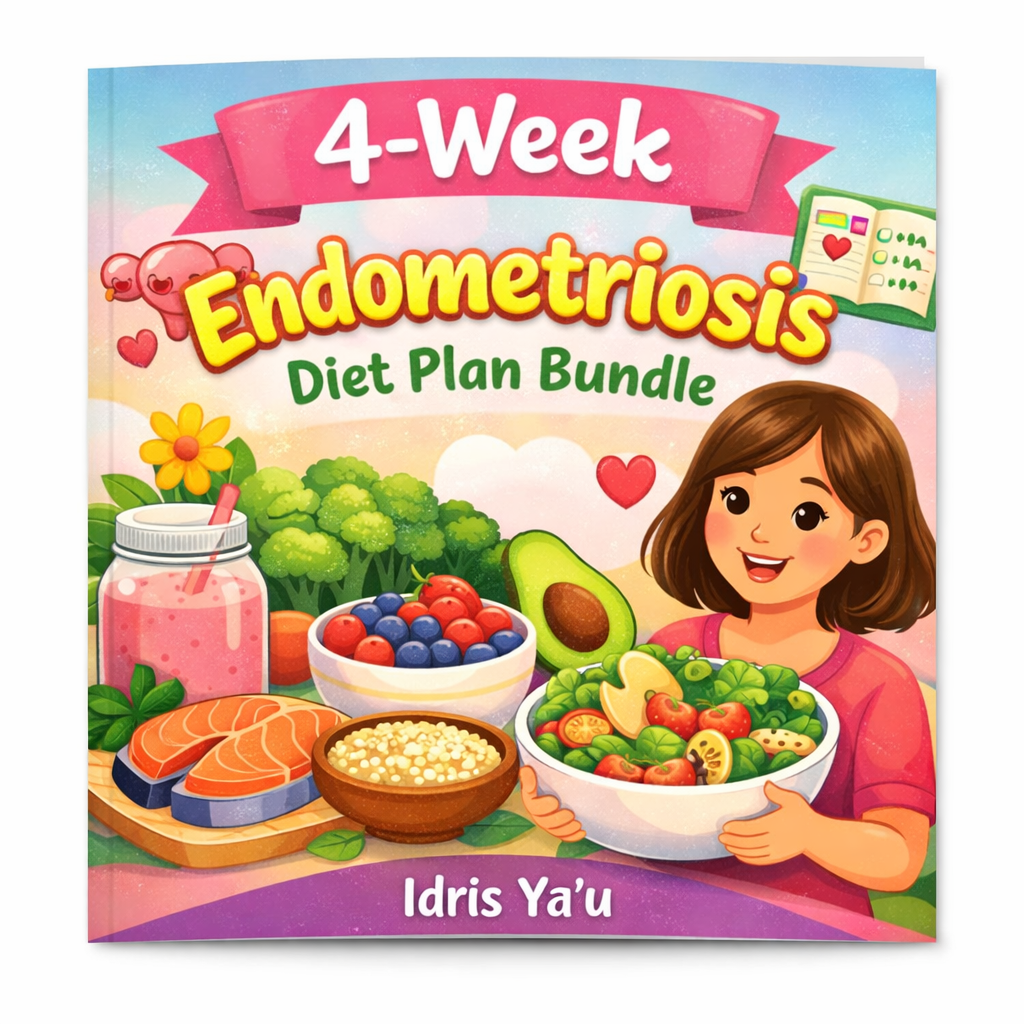
Get Instant Access for $5.99
You’re Not Failing — You Just Don’t Have a Clear Plan
You try to eat better.
But some foods make your symptoms worse.
You read different advice online. It feels confusing.
You end up guessing.
That guesswork keeps you stuck.
This Bundle Gives You a Clear System to Follow
Know Exactly What to Eat Every Day
No more confusion.
You get a full 4-week endometriosis diet plan.
You know what to eat each day.
You know what to avoid.
You know what to buy.
Everything is laid out for you.
Get Instant Access - $5.99
Buy Now - $5.99What You Get Inside the Bundle
A Complete Endometriosis Diet System
4-week endometriosis diet plan PDF
Daily meal plans (breakfast, lunch, dinner)
Foods to eat and foods to avoid guide
Grocery shopping lists
Endometriosis-friendly weight loss plan
Printable food and symptom logbook
Easy structure you can follow daily
Feel Less Pain and Reduce Triggers
Support Your Body With the Right Foods
You follow meals that support your body.
You reduce foods that increase inflammation.
You stop eating things that make your symptoms worse.
You begin to feel lighter and more in control.
Save Time and Stop Overthinking Food
No More Daily Meal Stress
You don’t need to search for recipes every day.
You don’t need to plan meals from scratch.
Everything is already done for you.
You just follow the plan.
Stay Consistent Without Stress
Follow a System That Works
Consistency is hard when you don’t know what to eat.
This plan removes that stress.
You follow a clear system every day.
That is how results happen.
This Is for You If…
You Want a Clear and Simple Diet Plan
You have endometriosis and feel confused about food
You want a simple plan you can follow daily
You feel bloated, tired, or in pain often
You want to reduce symptoms naturally
You are tired of guessing what to eat
This Is NOT for You If…
You Are Not Ready to Follow a Plan
You want a quick fix without effort
You don’t plan to follow a structured plan
You are not ready to change your eating habits
Start Feeling Better With a Clear Plan
Simple. Clear. Effective.
Get Instant Access - Only $5.99
You get everything in one bundle. No subscription. No hidden cost.
Download Your 4-Week Endometriosis Diet Plan Bundle - $5.99Frequently Asked Questions
- What is the best diet for endometriosis?
- The best diet typically emphasizes whole, minimally processed foods and focuses on anti-inflammatory choices. Eat plenty of leafy greens, colorful vegetables, berries, fatty fish like salmon, nuts, seeds, and high-fiber whole grains while reducing red meat, processed snacks, and refined sugars. This helps support your immune system, hormone balance, and inflammation control, which can reduce pain and digestive discomfort over time (Frontiers in Nutrition).
- Is chicken ok to eat with endometriosis?
- Yes, chicken is generally a good protein choice for endometriosis when prepared in a healthy way. Choose lean cuts, remove the skin, and cook it by grilling, baking, or poaching rather than frying. Avoid processed chicken products and add it to meals with lots of vegetables and whole grains to support balanced nutrition and reduce inflammatory food choices (Cleveland Clinic).
- Can I eat bread if I have endometriosis?
- Bread can be part of your diet, but it's best to choose high-quality options and watch how your body reacts. Whole-grain, sprouted, or gluten-free breads may be easier on digestion than refined white bread, which can contribute to blood sugar spikes and inflammation. Pay attention to your symptoms, and prioritize minimally processed breads that contain fiber and few additives (MDPI).
- How to remove endometriosis naturally?
- No natural method will fully remove endometriosis without medical intervention, but you can support symptom reduction with healthy habits. Eating anti-inflammatory foods, managing stress, moving regularly, and getting good sleep helps your body stay in better balance. These strategies may improve comfort and wellbeing while you pursue medical guidance and appropriate treatment (PMC).
- What kills endometriosis cells?
- There is no single substance that kills endometriosis cells on its own. The safest and most effective approach is to support your body with nutrition, reduce inflammation, and work with a healthcare professional on targeted medical treatments. Healthy habits combined with clinical care provide the best chance of reducing symptoms safely (JAMA Network Open).
- How to clean the uterus naturally?
- The uterus does not need a special cleansing regimen, and invasive or unproven cleanses can do more harm than good. Instead, focus on supportive habits like eating nutrient-dense foods, staying hydrated, and maintaining a regular movement routine. These habits help your reproductive system stay balanced without relying on questionable cleanses.
- What herbal Remedies are good for endometriosis pain?
- Some herbs like turmeric, ginger, and anti-inflammatory botanicals may help ease pain and support recovery. These should be used as supportive additions rather than primary treatments, especially if you are already taking other medications. Always consult your doctor before adding herbal remedies so they can recommend safe options (PMC).
- What stops endometriosis from growing?
- Stopping endometriosis growth is challenging, but reducing inflammation and supporting hormone balance can slow progression. Eating an anti-inflammatory diet, managing stress, and staying physically active are practical steps that may help limit symptom flare-ups. Regular medical follow-up is also essential to ensure the condition is monitored and managed properly (WHO).
- How can I heal myself from endometriosis?
- Healing from endometriosis is usually a long-term process, not a quick fix. You can support your body by following a consistent and nourishing diet, avoiding trigger foods, moving gently every day, and prioritizing sleep and stress reduction. This supportive approach helps reduce symptoms and improve quality of life while you work with healthcare providers.
- What causes endometriosis to worsen?
- Endometriosis symptoms can worsen when inflammation is high or hormones are unbalanced. Certain food choices, alcohol, stress, and lack of movement may contribute to flare-ups. An anti-inflammatory diet and a balanced lifestyle often help reduce the frequency and intensity of symptoms (Cleveland Clinic).
- How to treat endometriosis without hormones?
- Non-hormonal care may include dietary changes, pain management techniques, physical therapy, and sometimes surgery. Many people find symptom relief through anti-inflammatory nutrition, gentle movement, and targeted medical support without relying on hormone treatments (NCBI).
- What food can shrink endometriosis?
- There is no single food that will shrink endometriosis lesions, but eating foods that reduce inflammation can help your body feel better. Whole foods like leafy greens, fatty fish, and antioxidant-rich fruits support healthier tissue and may reduce pain and swelling over time (Frontiers in Nutrition).
- What causes endometriosis to grow fast?
- Endometriosis may seem to grow faster when the body is in a more inflammatory state or hormones are imbalanced. Factors like poor diet, stress, and underlying immune issues can contribute to symptom flare-ups and more aggressive disease presentation (Oxford Academic).
- Can endometriosis affect other organs?
- Yes, endometriosis can affect organs beyond the uterus, including the ovaries, fallopian tubes, bladder, and bowel. It can also cause pain in the pelvic area and sometimes affect nearby tissues, leading to digestive or urinary symptoms (WHO).
- What is the sister disease to endometriosis?
- Adenomyosis is often considered a sister disease because it involves similar symptoms and abnormal tissue growth in the uterine area. Both conditions can cause painful periods, heavy bleeding, and chronic pelvic pain.
- What will happen if endometriosis is left untreated?
- If endometriosis is left untreated, symptoms may become chronic and more severe over time, with increased pain, scar tissue, and possible fertility impacts. Early intervention and ongoing care help prevent complications and improve long-term quality of life (WHO).
- On which organ is endometriosis most commonly found?
- Endometriosis most commonly appears on the ovaries and pelvic lining, where displaced uterine tissue implants and grows. It can also affect nearby pelvic organs and tissues depending on the severity.
- What body parts are affected by endometriosis?
- Endometriosis can affect the uterus, ovaries, fallopian tubes, pelvic lining, bowel, bladder, and lower back. The type and location of lesions determine the symptoms you may experience.
- Can endometriosis be cured with lifestyle changes?
- Lifestyle changes cannot usually cure endometriosis, but they can greatly improve symptoms and daily comfort. A consistent anti-inflammatory diet, moderate exercise, good sleep, and stress reduction support long-term health while medical treatment is pursued (JAMA Network Open).
- What is the most painful type of endometriosis?
- Deep infiltrating endometriosis tends to be the most painful type because it grows into deeper tissue layers and may involve nerves. This can lead to significant pain during pelvic exams, sex, and bowel movements.
- What can be mistaken for endometriosis?
- IBS, pelvic inflammatory disease, ovarian cysts, fibroids, and bladder disorders are commonly mistaken for endometriosis. That is why a thorough medical evaluation is important to get the correct diagnosis.
- Where does it hurt if I have endometriosis?
- Pain usually occurs in the lower abdomen, pelvis, and lower back, and it can also radiate into the hips, legs, or groin. Many people also feel discomfort during bowel movements, urination, or sex.
- What not to do with endometriosis?
- Avoid excessive alcohol, processed foods, high-sugar snacks, and long periods of inactivity. These habits can increase inflammation and worsen symptoms, so focus on a balanced diet and consistent movement (Cleveland Clinic).
- How to tell when endometriosis is getting worse?
- Look for increasing menstrual pain, more frequent flare-ups, painful intercourse, and new digestive or urinary symptoms. These warning signs suggest it is time to seek medical advice and adjust your care plan.
- Can endometriosis cause back pain all the time?
- Yes, endometriosis can cause persistent back pain because pelvic inflammation often refers pain to the lower back and hips. Chronic discomfort in this area is a common symptom for many people.
- Can alcohol make endometriosis worse?
- Alcohol can worsen endometriosis for many people by increasing inflammation and affecting hormone metabolism. Reducing or avoiding alcohol is often part of a symptom-management strategy (Cleveland Clinic).
- Do hot showers help endometriosis?
- Hot showers can provide temporary relief from cramps and muscle tension, but they do not treat the underlying condition. Use them as a comfort tool while also focusing on diet, rest, and medical care.
- How to beat endometriosis naturally?
- A natural approach focuses on reducing inflammation through diet, moving gently, managing stress, and improving sleep. These lifestyle changes can help you feel better, but they work best alongside professional medical support (ScienceDirect).
- What alcohol is best to drink with endometriosis?
- Ideally, avoid alcohol when managing endometriosis. If you do choose to drink, keep amounts small and choose low-sugar, light options. Monitor your symptoms closely to see if alcohol worsens your condition.
- What vitamins are good for endometriosis pain?
- Vitamin D, omega-3 fatty acids, magnesium, and B vitamins are often recommended to help support inflammation control and muscle comfort. Always speak with a healthcare provider before starting supplements so they fit safely into your plan (PMC).
- Should I stop drinking alcohol if I have endometriosis?
- If alcohol seems to worsen your pain or inflammation, cutting it out is a good choice. Many people find that reducing or eliminating alcohol improves their overall symptom control.
- What is the best lifestyle for endometriosis?
- The best lifestyle includes an anti-inflammatory diet, gentle regular exercise, stress reduction, and enough sleep. These habits support hormone balance and overall wellbeing while helping you manage endometriosis symptoms (WHO).
- What foods fight endometriosis?
- Foods that support endometriosis management include leafy greens, berries, fatty fish, nuts, seeds, olive oil, and anti-inflammatory spices like turmeric. These choices help reduce inflammation and support healthy tissue function (Frontiers in Nutrition).
- Can fasting get rid of endometriosis?
- Fasting is not a cure for endometriosis, though some people use intermittent fasting to support metabolic health and reduce inflammation. It should be approached carefully and ideally with professional advice to ensure it supports, rather than harms, your overall health (MDPI).
- Do and don'ts in endometriosis?
- Do eat nutrient-rich whole foods, hydrate well, move regularly, and manage stress. Don’t rely on processed foods, sugary drinks, alcohol, or extreme fasting. These good habits help stabilize your body and manage symptoms more effectively.
- Is hot water good for endometriosis?
- Hot water can soothe muscle tension and cramps for a short time, but it is not a long-term treatment. Use it as one comfort measure while working on broader dietary and lifestyle support.
- What worsens endometriosis?
- Processed foods, excess sugar, high-fat red meat, alcohol, and chronic stress can all worsen endometriosis symptoms. Reducing these triggers and focusing on anti-inflammatory foods can help minimize pain and discomfort (Cleveland Clinic).
- How to stop endometriosis from spreading?
- There is no guaranteed way to stop endometriosis from spreading, but reducing inflammation and maintaining close medical supervision can help. An anti-inflammatory lifestyle and professional care are important to slow progression and support symptoms (WHO).
- At what age does endometriosis go away?
- Endometriosis often improves after menopause for many people, but it may not disappear completely. Hormonal changes during menopause can reduce symptoms, though each person’s experience is different.
- What keeps endometriosis from growing?
- Balancing hormones, eating anti-inflammatory foods, staying active, and managing stress all help reduce the environment that supports disease growth. These habits can help limit symptom severity even if they do not fully prevent lesion development (Frontiers in Nutrition).
- What are the first signs of endometriosis?
- Early signs often include painful periods, heavy cramps, bloating, pelvic discomfort, and fatigue. Some people also notice pain during intercourse or bowel movements.
- What is a red flag for endometriosis?
- Severe cyclical pelvic pain, pain with sex, and painful bowel or bladder symptoms are red flags that should prompt a medical evaluation. These symptoms may indicate endometriosis or another pelvic condition.
- Where does endometriosis usually start?
- Endometriosis usually begins on the pelvic lining and ovaries, where menstrual tissue implants outside the uterus. Lesions then grow on nearby organs and tissues.
- Does endometriosis affect fertility?
- Yes, endometriosis can affect fertility by causing inflammation, scar tissue, and changes to pelvic anatomy. Many people with endometriosis still conceive, but some may need medical support to improve fertility (WHO).
Ready to Take Control of Your Diet?
You don’t need more information.
You need a clear plan.